
There are many types of sighthound, including some breeds you may already recognise:
- Greyhounds
- Whippets
- Salukis
- Borzois
- Afghan Hounds
- Deerhounds
- Irish Wolfhounds
If you're considering dog adoption and wondering whether a sighthound could be right for you, here's everything you need to know.
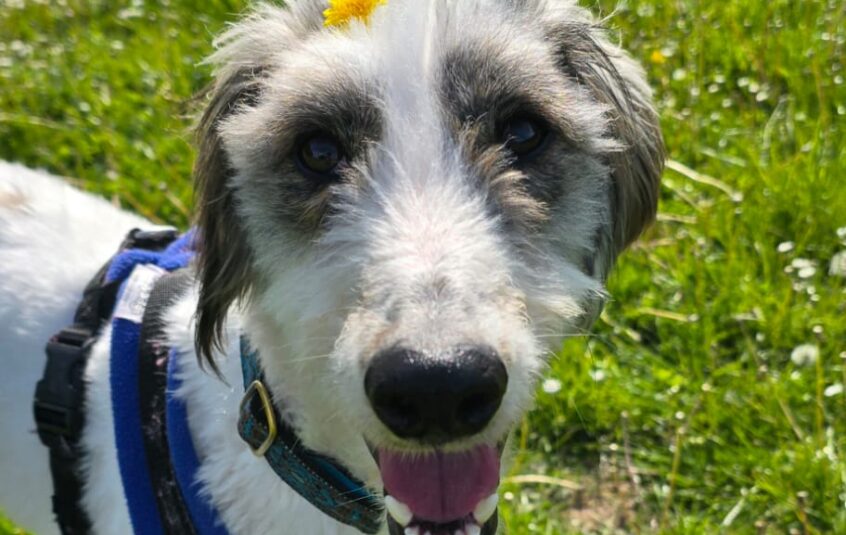
Elegant, affectionate and often wonderfully laid-back, sighthounds can make fantastic companions. Yet despite their distinctive looks, gentle personalities and long history alongside people, they can sometimes be overlooked by those searching for dogs for adoption.
At Jerry Green Dog Rescue, we regularly care for sighthounds and sighthound crosses looking for safe, loving homes. From Lurchers to Greyhound-like dogs and mixed breeds, every dog is an individual – and finding the right match is about so much more than breed or appearance.
If you’re considering dog adoption and wondering whether a sighthound could be right for you, here’s everything you need to know.
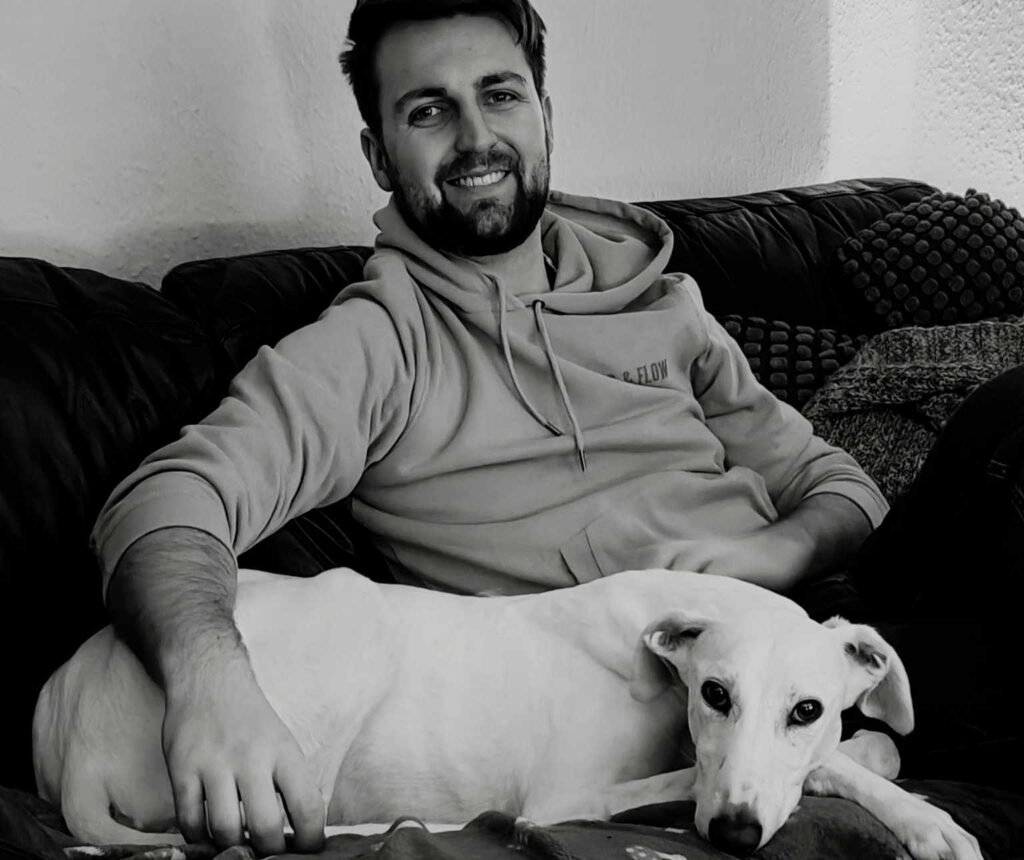
There are many types of sighthound, including some breeds you may already recognise:
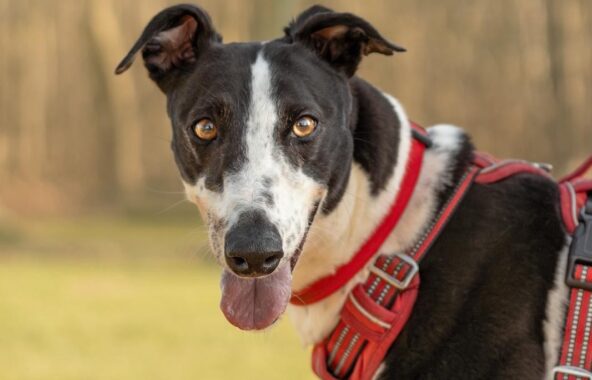
You’ll also find plenty of crosses and mixed breeds with sighthound heritage, particularly Lurchers.
If you’ve been searching for dog breeds similar to Greyhounds, Greyhound-like dog breeds or simply Greyhound-like dogs, it may be worth widening your search to include the wider sighthound family and sighthound crosses.
Their appearance, size and personality can vary considerably, which is part of what makes them such a fascinating group of dogs.
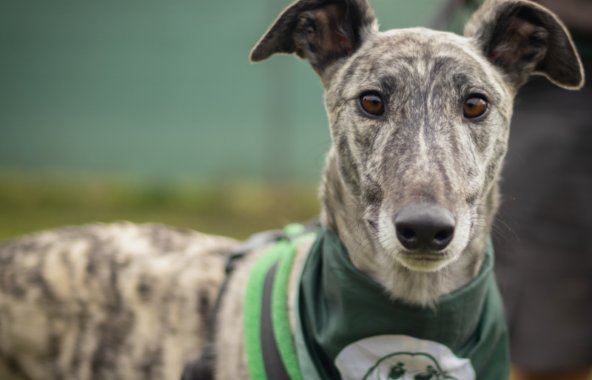
A Lurcher isn’t technically a specific breed. Traditionally, the term describes a sighthound crossed with another breed or type of dog.
So, if you’ve ever wondered “what is a Lurcher crossed with?”, there isn’t one answer.
A Lurcher might have Greyhound, Whippet or Saluki heritage combined with breeds such as Collies, Terriers or other dogs. Because of this variety, adopting a Lurcher can mean welcoming a wonderfully unique dog into your family.
This is also why adopting a mixed breed dog should always be about understanding the individual in front of you rather than making assumptions based purely on their appearance.
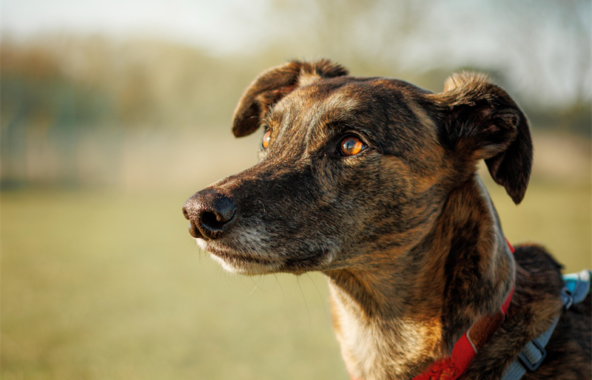
There isn’t one definitive answer to “what does a Lurcher look like?”
Many have the classic sighthound characteristics of long legs, a deep chest, a narrow waist and an athletic build, but their appearance can vary significantly depending on their parentage.
Some are tall and fine-boned. Others are smaller or more robust. Some have short, smooth coats, while others can be rough or long-haired.
And while two Lurchers might look similar, their personalities, preferences and needs can be completely different.
That’s why at Jerry Green Dog Rescue, we take the time to get to know every dog in our care as an individual.

Sighthounds can make incredibly loving and rewarding pets. While every dog is different, many are affectionate, sensitive and enjoy being close to the people they trust.
One of the biggest misconceptions about sighthounds is that because they can run incredibly fast, they must need enormous amounts of exercise.
In reality, many adult sighthounds enjoy a good walk and the opportunity to explore before happily settling down for a snooze.
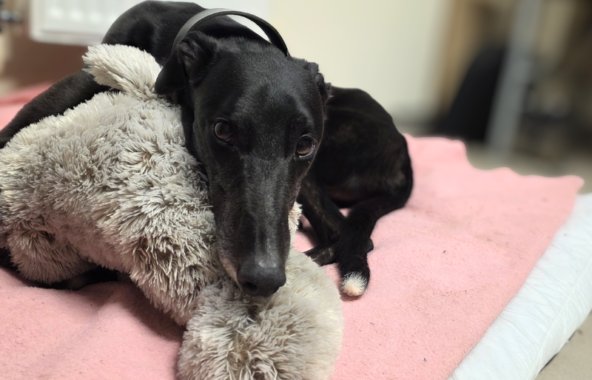
Their needs will depend on their age, health, background and personality, so it’s important to consider the individual dog rather than relying on breed stereotypes.
Some may love adventures and enrichment, while others may be happiest with a quieter routine and plenty of comfortable places to sleep.
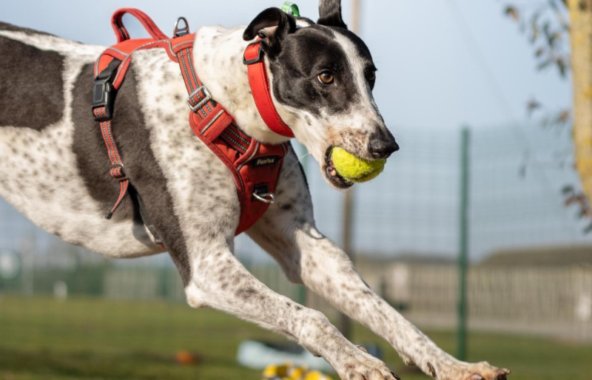
If you’ve seen a Lurcher in full flight, you’ll know just how impressive they can be!
There isn’t one speed that applies to every Lurcher because their size and breeding vary so much. However, their sighthound heritage means many are capable of impressive bursts of speed.
That doesn’t mean they need to spend their entire day running.
Appropriate walks, enrichment, play and opportunities to use their natural behaviours can all contribute to keeping a Lurcher happy. Depending on the individual dog, secure enclosed spaces can also provide opportunities to stretch their legs safely.
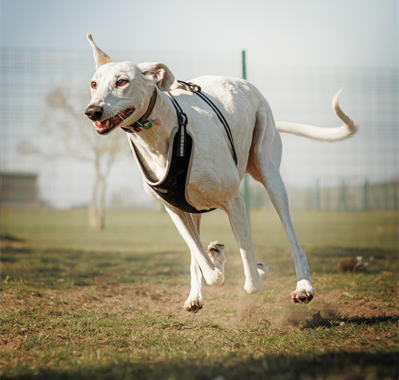
Not necessarily.
Although sighthounds are famous for their speed, being able to run fast doesn’t automatically mean a dog needs hours and hours of exercise every day.
The right amount and type of exercise will vary between individual dogs. A younger, energetic Lurcher may have very different requirements from an older Greyhound or a more laid-back sighthound cross.
Mental stimulation matters too. Sniffing, enrichment, training and exploring new environments can all be valuable parts of a dog’s routine.
When you adopt a dog from Jerry Green Dog Rescue, the team caring for them will be able to help you understand their particular exercise and enrichment needs.
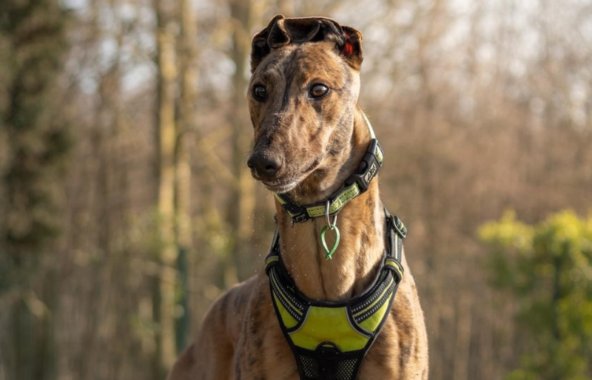
Some absolutely can, while others may be better suited to being the only dog in their home.
Compatibility depends on the individual dog’s experiences, personality and behaviour around other dogs.
Some sighthounds enjoy having canine friends and can live successfully alongside another dog. Others may be sociable when out walking but prefer to have their home and their humans to themselves.
Rather than assuming a dog will or won’t live with another pet because they’re a sighthound, look carefully at the rehoming information provided for that individual dog.

This will depend entirely on the individual dog.
Sighthounds were historically developed to notice and pursue movement, and some can have a strong chase instinct. This can mean that living alongside cats or smaller animals isn’t appropriate for every sighthound.
However, it shouldn’t be assumed that every sighthound will behave in exactly the same way.
At Jerry Green Dog Rescue, our teams get to know the dogs in our care and assess their individual needs so we can look for a home that’s suitable for them.
Always be open about the pets already living in your home when applying to adopt.
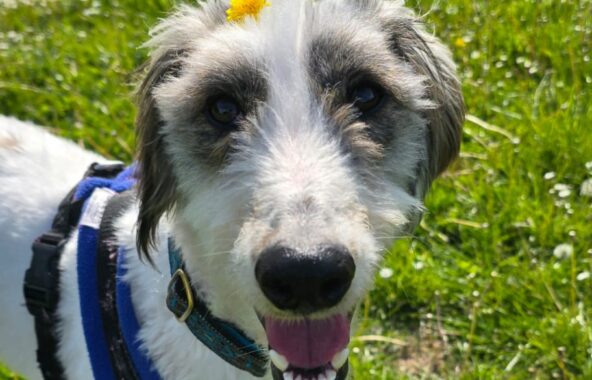
Some sighthounds can live happily in families with children, but again, there’s no universal rule.
A dog’s history, confidence, behaviour, size and previous experiences all help determine the type of home that will suit them best.
Some may be comfortable living with younger children, while another dog might need an adult-only home or be better suited to older children.
The important thing is finding the right match for both the dog and the family.
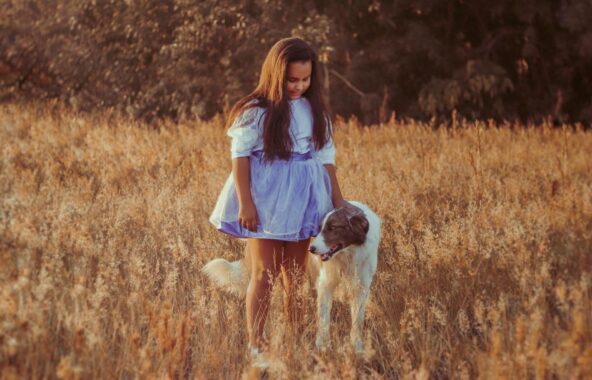
Sighthounds aren’t inherently difficult dogs to adopt, but they may have particular needs that prospective adopters should understand.
Depending on the individual dog, these could include managing their chase instinct, having opportunities to exercise safely, building confidence or helping them adjust to life in a home.
Rescue dogs can also arrive with very different histories. Some may previously have lived in a family home, while others may have experienced significant changes or have limited experience of everyday home life.
Patience, realistic expectations and a willingness to understand the individual dog can make an enormous difference.
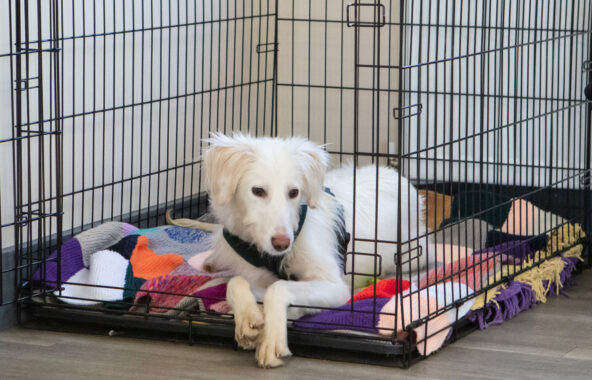
“They need hours of exercise.”
Not necessarily. Speed and stamina aren’t the same thing, and many sighthounds are very fond of their downtime.
“They can’t live with other dogs.”
Some can and some can’t. It depends on the individual.
“They all need huge homes.”
A dog’s suitability for a home isn’t determined by their leg length alone! Their individual needs, routine and access to appropriate exercise are far more important.
“All sighthounds have the same personality.”
Definitely not. Breed characteristics can give us useful context, but every rescue dog has their own personality, experiences and preferences.
“A rescue sighthound will come with lots of problems.”
Being in rescue doesn’t define a dog. Dogs find themselves looking for new homes for countless reasons, often through circumstances completely outside their control.
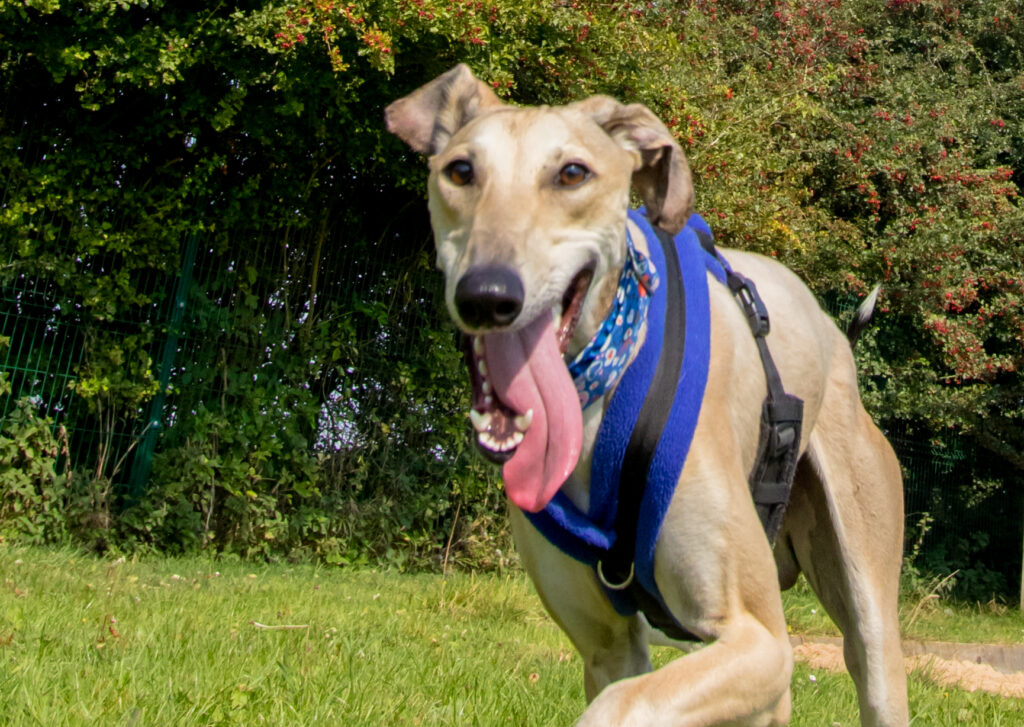
Choosing a sighthound from rescue gives a dog the opportunity to begin their next chapter while giving you the chance to find a companion who genuinely suits your life.
When searching for sighthound rescue UK, Lurcher rescue, a rescue centre near me, or simply dogs to adopt, it’s easy to become focused on finding a particular breed or appearance.
We’d encourage you to look a little deeper.
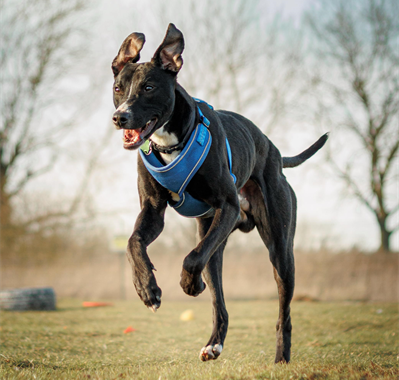
At Jerry Green Dog Rescue, we believe every dog is unique. Our approach isn’t about finding just any home for a dog; it’s about finding a safe, loving home where they can thrive.
You may begin your search thinking you want a particular breed, age or look and discover that your perfect match has four long legs, an enormous love of naps and a face you simply can’t resist.
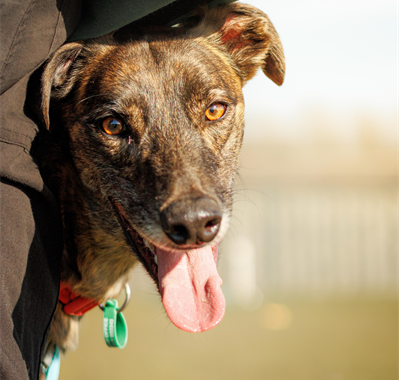
If you’re thinking about adopting a sighthound, take some time to get to know the individuals looking for homes from their rehoming profiles, rather than relying on assumptions about their breed.
Sighthounds can be funny, affectionate, sensitive, playful, laid-back and deeply rewarding companions. Some will want adventures. Others will be champion snoozers. Many will be a little bit of both.
Most importantly, each deserves to be seen for the individual they are.
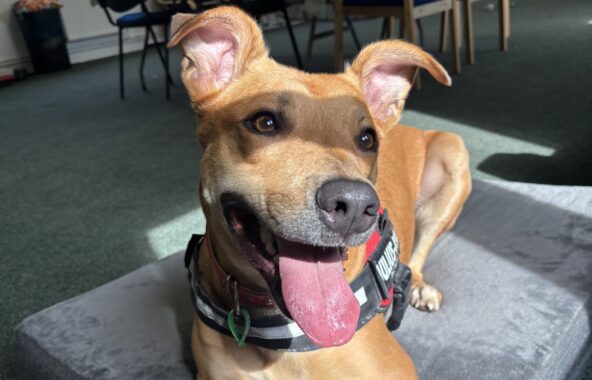
If you’re ready to adopt a dog, take a look at the dogs for adoption at Jerry Green Dog Rescue. Whether it’s a Lurcher, another sighthound or a completely different dog who catches your eye, your perfect match might not look quite how you imagined.
And they might just be waiting for you.
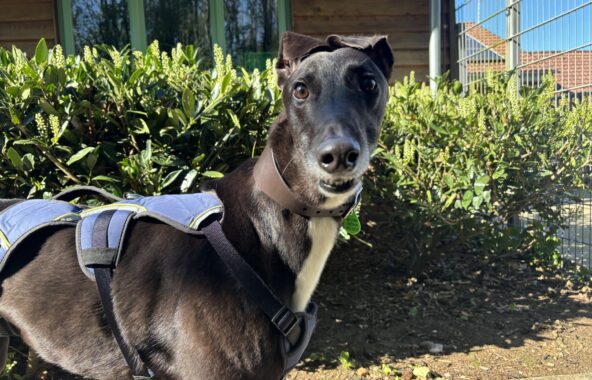

A sighthound is a type of dog traditionally bred to use its sight and speed to pursue moving animals, rather than relying primarily on scent. Sighthounds typically have long legs, deep chests and athletic bodies, with breeds including Greyhounds, Whippets, Salukis and Deerhounds. Lurchers and other sighthound crosses can also share many of these characteristics
A Lurcher is generally a sighthound crossed with another breed or type of dog. There is no single Lurcher cross: they can have Greyhound, Whippet or Saluki heritage combined with breeds such as Collies and Terriers. This means Lurchers can vary considerably in their size, appearance, temperament and exercise needs, making it important to consider each rescue dog as an individual.
Sighthounds can make wonderful rescue dogs for the right home. Many are affectionate, sensitive companions that enjoy their walks but are equally happy relaxing at home. However, every dog’s needs are different, so prospective adopters should consider the individual dog’s personality, exercise requirements, experience with other animals and the type of home they need rather than relying on breed stereotypes.
Some sighthounds and Lurchers can live with other dogs, cats or children, while others need a home without other pets or with older children. Sighthounds can have a natural chase instinct, so suitability for living with smaller animals should always be assessed on an individual basis. When adopting through Jerry Green Dog Rescue, check each dog’s adoption profile to understand the home and family environment that’s right for them.
There is no single lifespan for crossbreeds. Factors such as size, genetics, healthcare, nutrition and lifestyle all influence how long an individual dog may live.
If you’re searching for sighthound rescue UK, Lurcher rescue, dogs for adoption or a rescue centre near me, Jerry Green Dog Rescue helps dogs find safe, loving homes across its communities. Our available dogs regularly include Lurchers, sighthounds, sighthound crosses and other mixed-breed dogs. Take a look at our dogs to adopt and remember that the best match isn’t always the breed or type you originally had in mind.